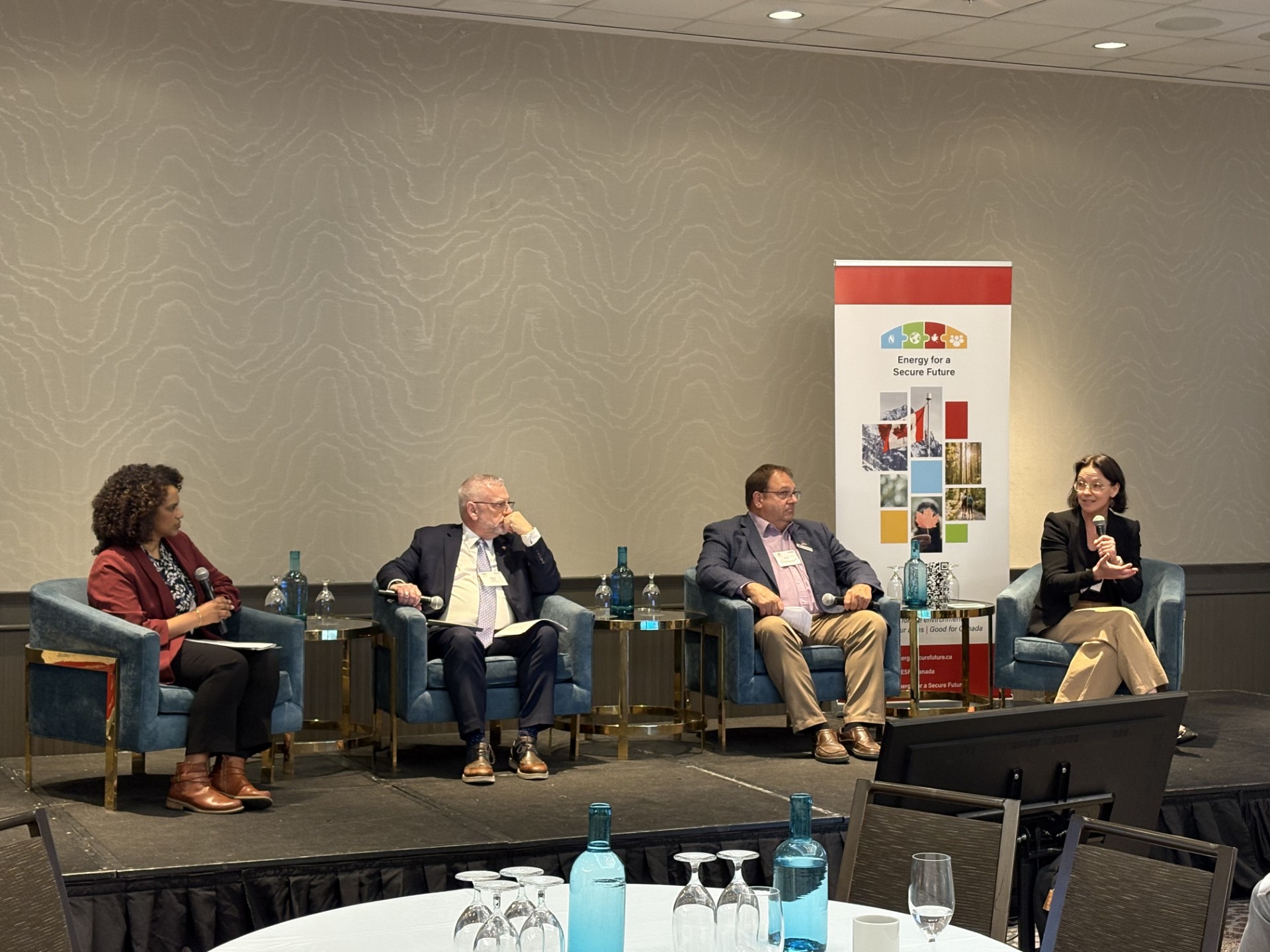
On June 4 in Edmonton, Energy for a Secure Future hosted its inaugural Municipal Energy Dialogue. The event, hosted in partnership with Resource Works, brought together municipal leaders, Indigenous representatives, policymakers, researchers, and industry experts from across Canada to explore the intersection of domestic energy solutions, trade expansion, affordability, and competitiveness, through a community lens.
The event highlighted how communities are increasingly at the center of decisions about infrastructure, economic development, environmental stewardship, and energy affordability. Throughout the day, participants explored opportunities for growth, practical solutions and shared experiences from municipalities and Indigenous communities across the country, in these areas.
Keynote: Alliance of Resource Communities
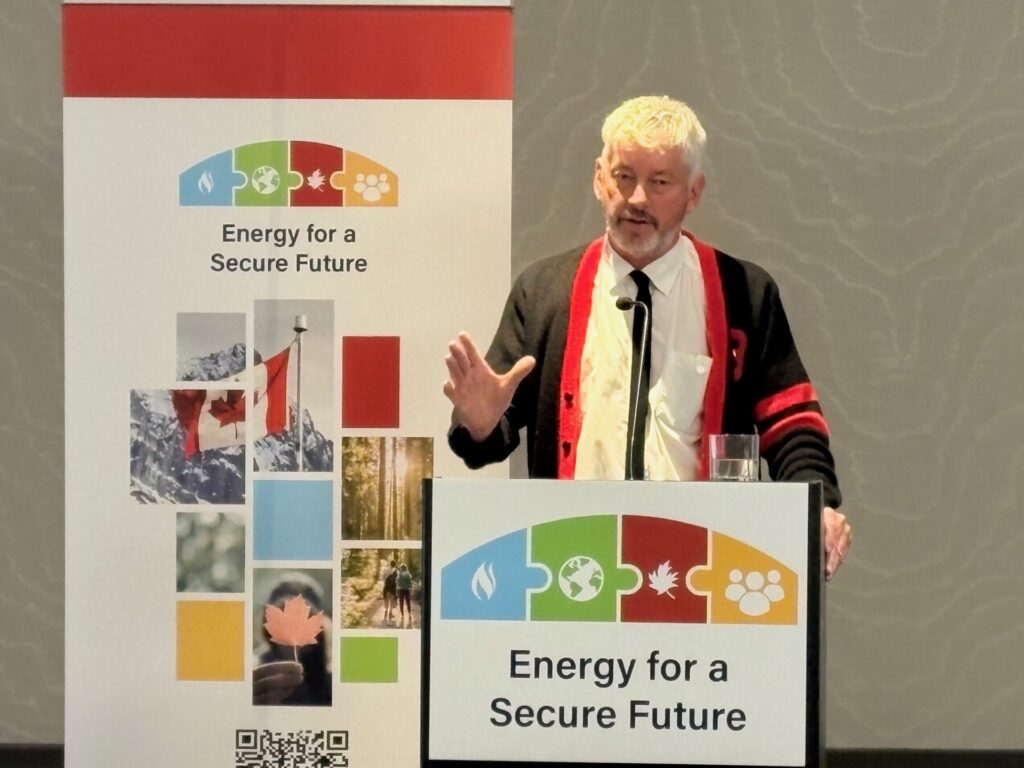
Mayor James Furney of Port McNeill, British Columbia, delivered the opening keynote on behalf of the Alliance of Resource Communities. Mayor Furney emphasized the essential role that municipalities, Indigenous communities, and local leaders play in supporting Canada’s resource economy. Drawing on his experience as both a mayor and second-generation business owner, he spoke candidly about the infrastructure, permitting, and investment challenges facing resource-dependent communities. His remarks underscored the importance of collaboration among communities that are directly responsible for supporting the industries that drive Canada’s economic prosperity and energy security.
Energy, Small Enterprises and Communities
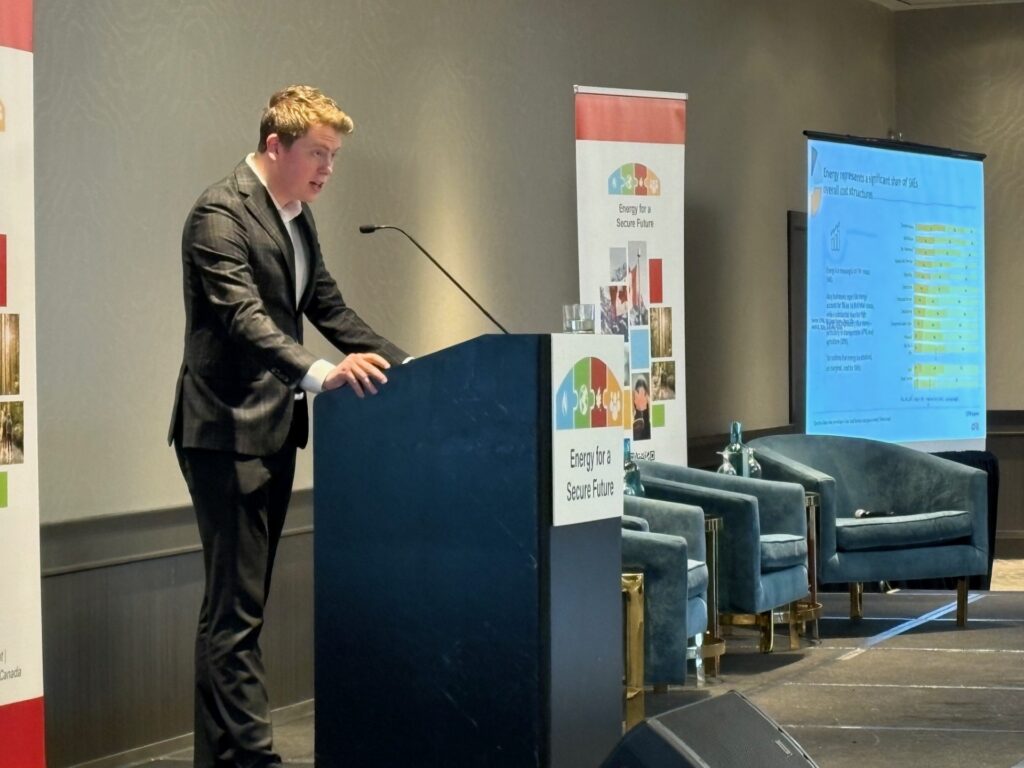
Bradlee Whidden, Western Economist with the Canadian Federation of Independent Business, shared new research highlighting the relationship between energy affordability and the success of small and medium-sized enterprises. His presentation illustrated how rising energy costs can significantly impact local businesses, affecting everything from operating costs to long-term viability. The session reinforced the importance of reliable and affordable energy as a foundation for healthy local economies, vibrant main streets, and sustainable community growth across Canada.
Community Energy – An All-of-the-Above Strategy
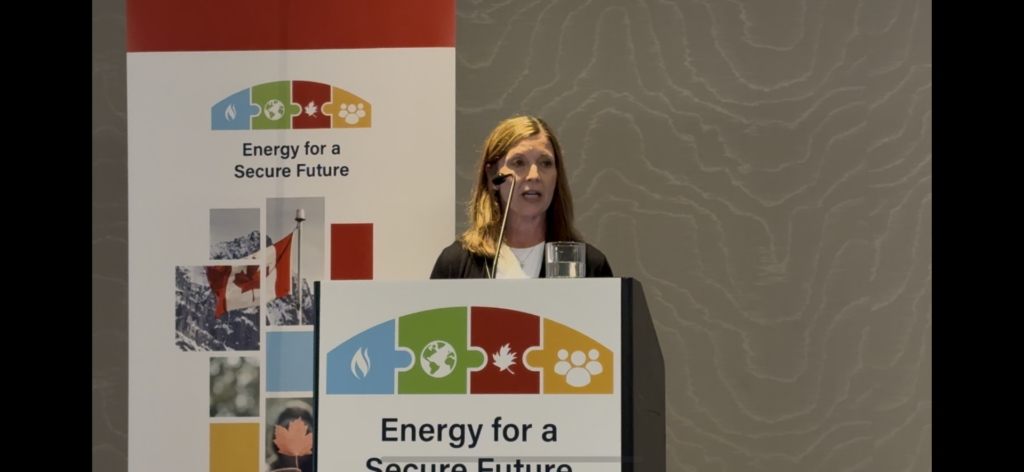
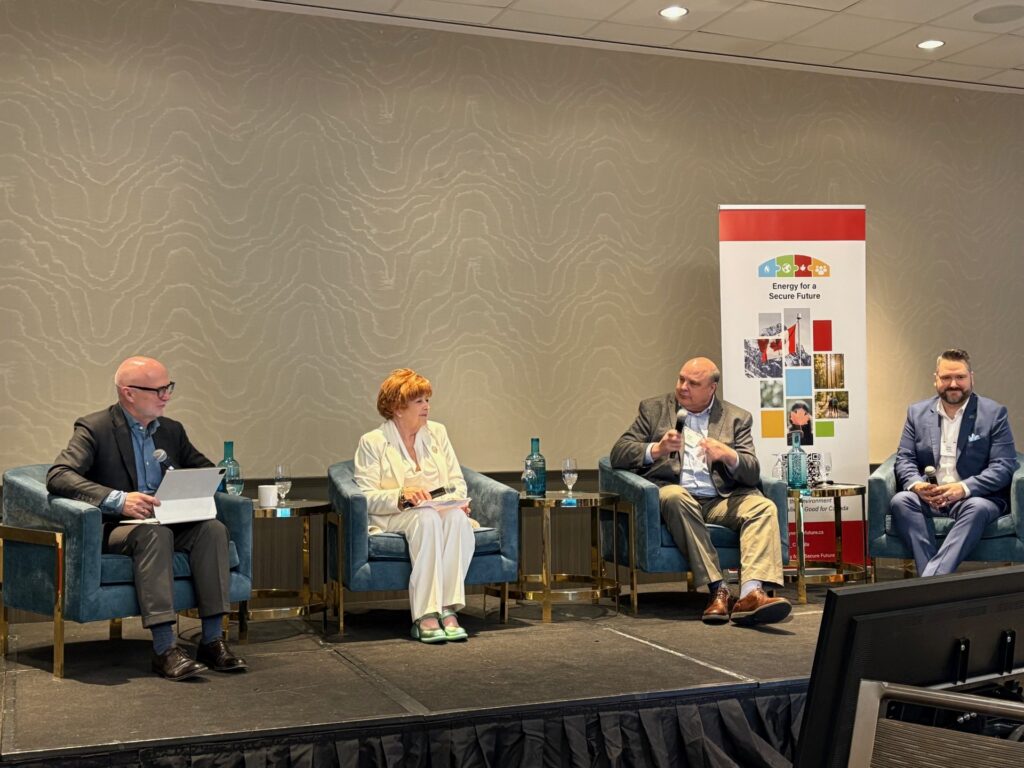
Lorraine Little, Director, Corporate Citizenship & Strategic Partnerships at Enbridge provided remarks to launch one of the day’s most engaging discussions explored how communities can balance environmental goals with economic growth, housing affordability, and job creation. Moderated by Stewart Muir of Resource Works, the panel brought together Randy Goulden, President of SUMA; First Nations Power Authority Project Advisor Darren Huculak; and Port Moody Councillor Callan Morrison.
Panelists highlighted the need for pragmatic energy solutions that reflect local realities and support long-term prosperity. Discussions focused on the importance of maintaining a diverse energy mix, ensuring Indigenous participation in energy development, and creating policy environments that attract investment while supporting environmental responsibility. The conversation demonstrated that successful community energy strategies require flexibility, innovation, and meaningful collaboration among governments, Indigenous communities, and industry.
Keynote: Minister Dale Nally
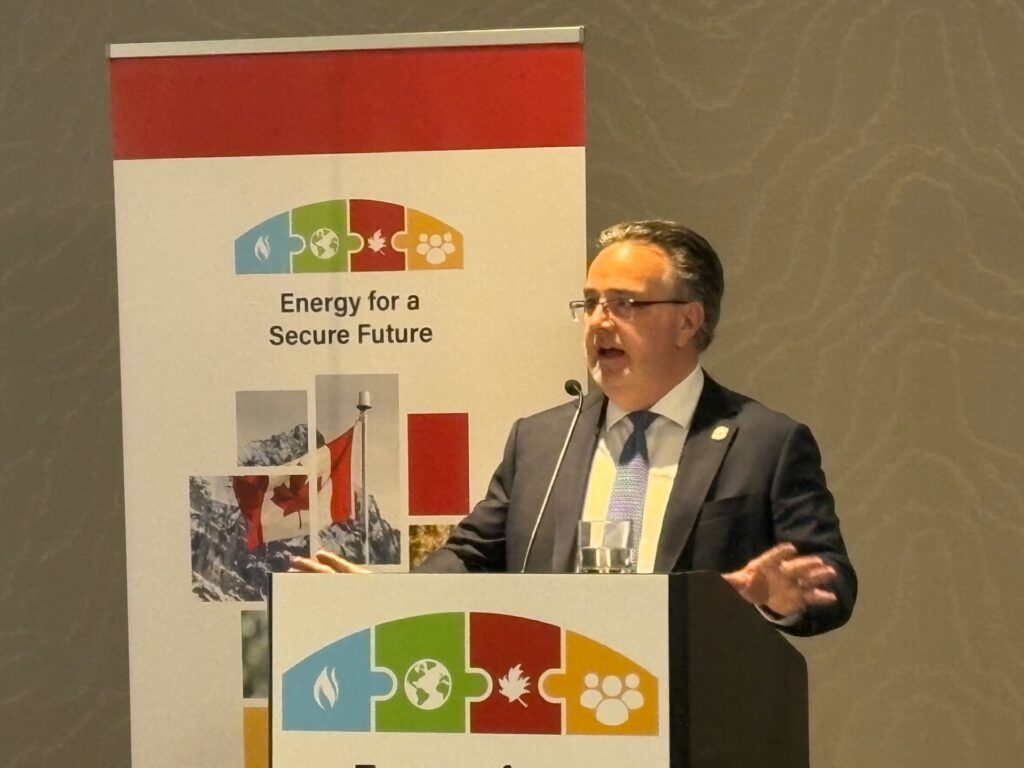
Alberta’s Minister of Service Alberta and Red Tape Reduction, Dale Nally, delivered a keynote address focused on the importance of intergovernmental collaboration in advancing Canada’s economic and energy objectives. Minister Nally highlighted Alberta’s efforts to improve regulatory efficiency and reduce administrative burdens for businesses and communities. His remarks emphasized that clear, predictable, and streamlined regulatory processes are essential for attracting investment, encouraging innovation, and enabling projects that support economic growth and energy development.
New Attitudes: How Canadian Perspectives on Energy Are Changing
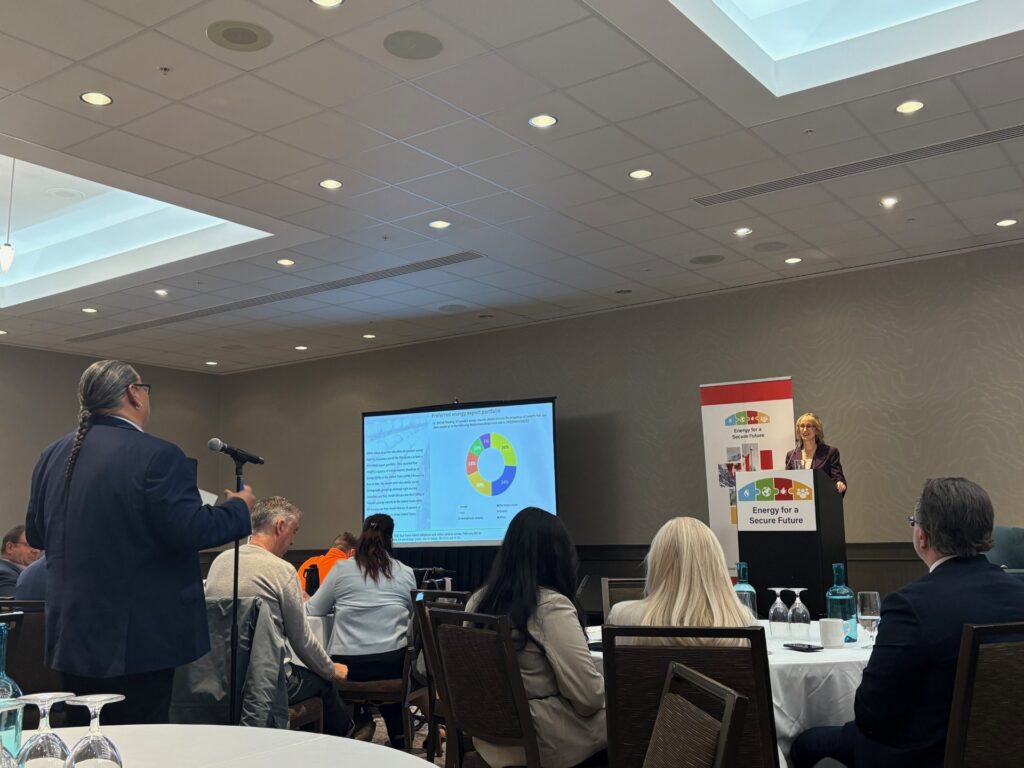
Dr. Monica Gattinger, Founding Chair of Positive Energy at the University of Ottawa, presented insights from the organization’s latest research into Canadian public opinion on energy issues. Her presentation explored evolving attitudes toward energy development, policy, and decision-making, highlighting both areas of consensus and ongoing challenges. Dr. Gattinger’s research demonstrated the value of trusted institutions, transparent processes, and inclusive dialogue in building public confidence around energy decisions that affect communities across the country.
Why Communities and Partnership Matter to Canada’s Energy Success
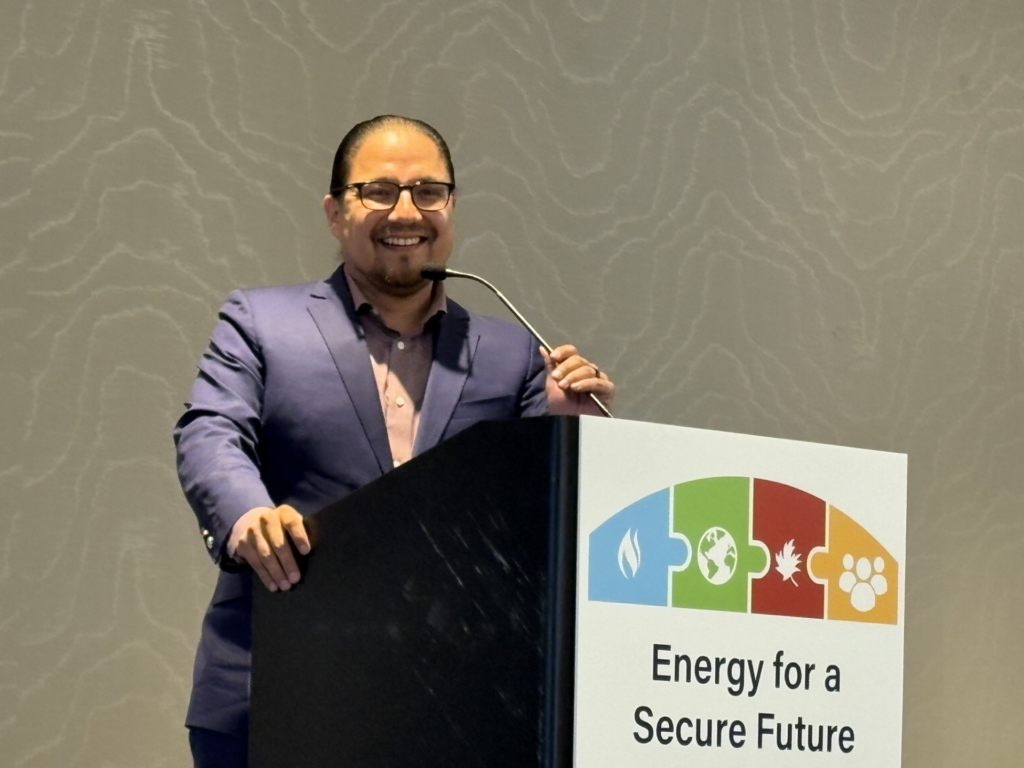
Billy Morin, Member of Parliament, and former founding council member of ESF, delivered a compelling address on the importance of partnerships in advancing Canada’s energy future. Drawing on his experience as former Chief of Enoch Cree Nation and now as MP for Edmonton Northwest, Morin highlighted the transformative impact that collaboration can have on Indigenous and non-Indigenous communities alike. His remarks emphasized the role of economic reconciliation, local leadership, and long-term partnerships in creating opportunities, attracting investment, and ensuring that communities share in the benefits of energy development.
Communities and Resource Development – Growing Trade Beyond the Canada-U.S. Relationship
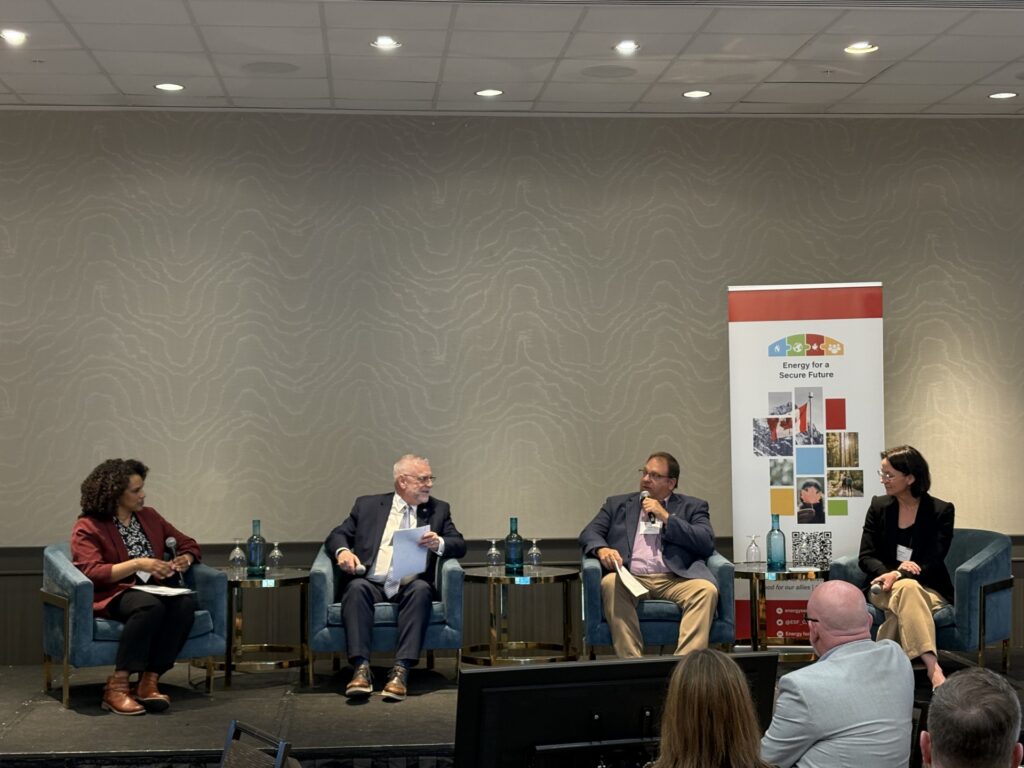
This panel examined how Canada’s resource wealth can support stronger and more diversified international trade relationships while delivering economic benefits at the local level. Moderated by Energy for a Secure Future Chair Shannon Joseph, the discussion featured Mayor Gerald Aalbers of Lloydminster, Shannon Watt, CEO of the Canadian Propane Association, and Mayor Danny Breen of St. John’s.
Panelists discussed the importance of expanding market access for Canadian energy and resource products while ensuring communities benefit from increased trade opportunities. The conversation highlighted the role of municipalities, Indigenous partnerships, and local infrastructure in supporting export growth and strengthening Canada’s position in global markets. Participants emphasized that growing Canada’s customer base abroad can generate jobs, investment, and prosperity at home.
AI and Us – Data Centers in Our Communities
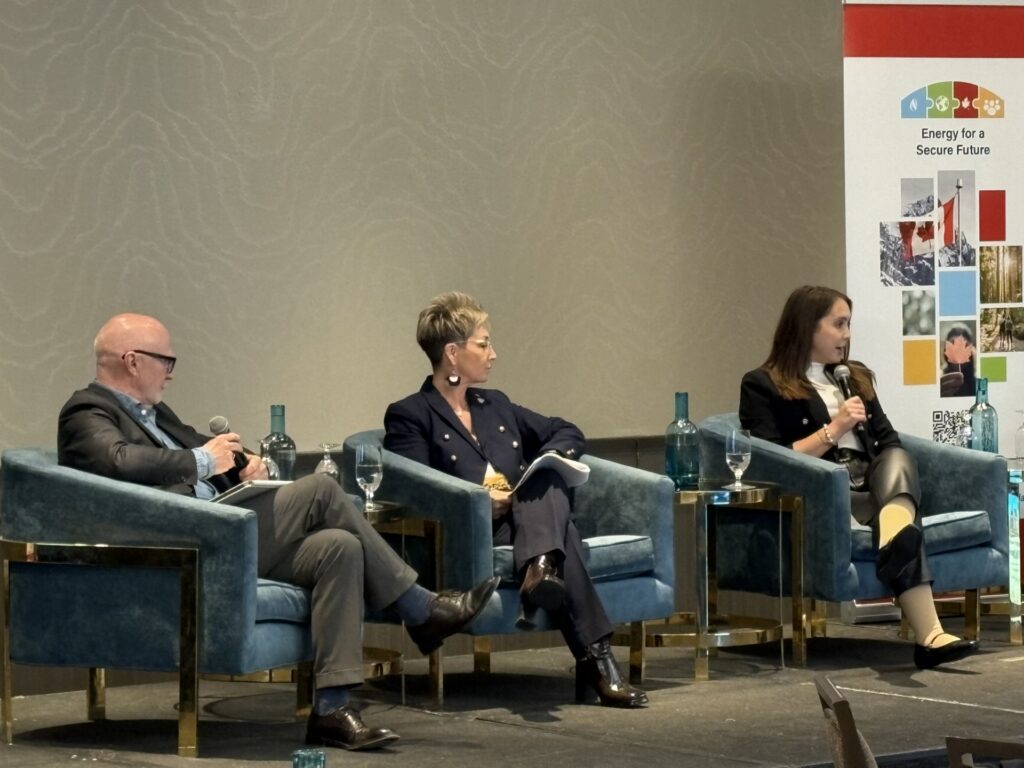
The final panel of the day explored the growing intersection of artificial intelligence, digital infrastructure, and energy systems. Moderated by Stewart Muir, the discussion featured Mayor Alanna Hnatiw of Sturgeon County and Lauren Armstrong, Vice President of Corporate Affairs at Beacon Data Centers.
Panelists examined the opportunities and challenges associated with attracting data centre investment to Canadian communities. Discussions focused on the significant energy, water, and infrastructure requirements of modern data centres, as well as the economic development opportunities they can create. The session highlighted the importance of proactive planning, strong community engagement, and reliable energy systems as communities position themselves to participate in the rapidly expanding digital economy.
Looking Ahead
The success of Energy for a Secure Future’s first Municipal Energy Dialogue demonstrated the value of bringing together leaders to create meaningful opportunities for networking, dialogue, and collaboration across diverse parts of Canadian society. A consistent theme throughout the day was that energy affordability, reliability, and environmental performance are fundamental to quality of life, economic competitiveness, and the ability to attract investment and create jobs. The conversations in Edmonton reinforced that local leadership, Indigenous partnership and open dialogue will be essential to building a more secure, prosperous, and resilient future for Canadians.


