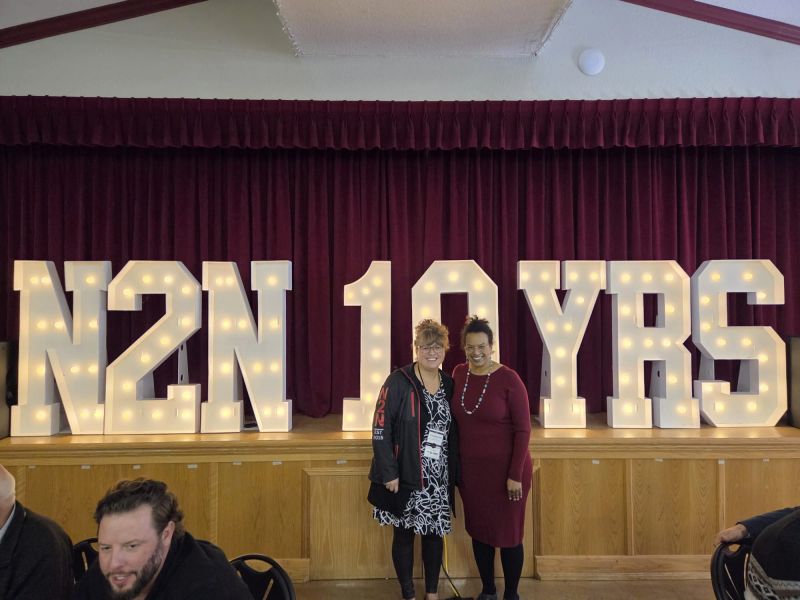
Energy for a Secure Future (ESF) Chair Shannon Joseph joined Indigenous leaders, industry representatives, municipal leaders and international partners in Kitimat, British Columbia, for the 10th anniversary of the Nation2Nation Forum. The event brought together voices from across Canada and around the world to discuss energy development, economic opportunity and Canada’s role in meeting growing global energy needs.
Connecting with the Nass Valley and Nisga’a Lisims Government
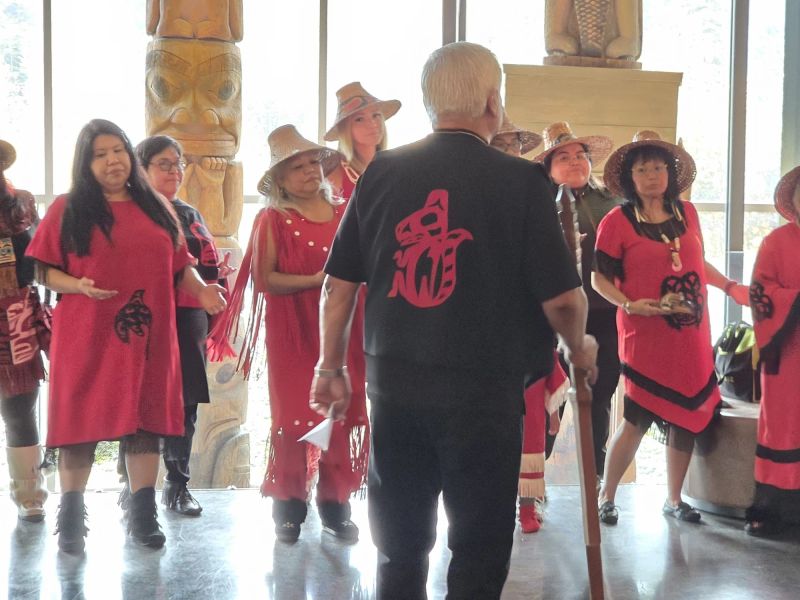
ESF’s participation began with a tour of the Nass Valley, home to the Nisga’a Lisims Government and the proposed Ksi Lisims LNG project. The visit included an artistic performance, a tour of the Nisga’a government building and a visit to the museum, offering an opportunity to learn more about the region’s history, culture and governance.
The visit also highlighted the connections between Indigenous communities, natural gas development and Canada’s LNG export ambitions. Among those joining the tour was Starr Acko of Doig River First Nation, whose Nation is part of the upstream natural gas story in northeastern British Columbia that helps supply LNG exports from Kitimat.
These connections demonstrate how energy development brings together communities and industries across the province, linking natural gas production in northeastern British Columbia with export opportunities on the West Coast.
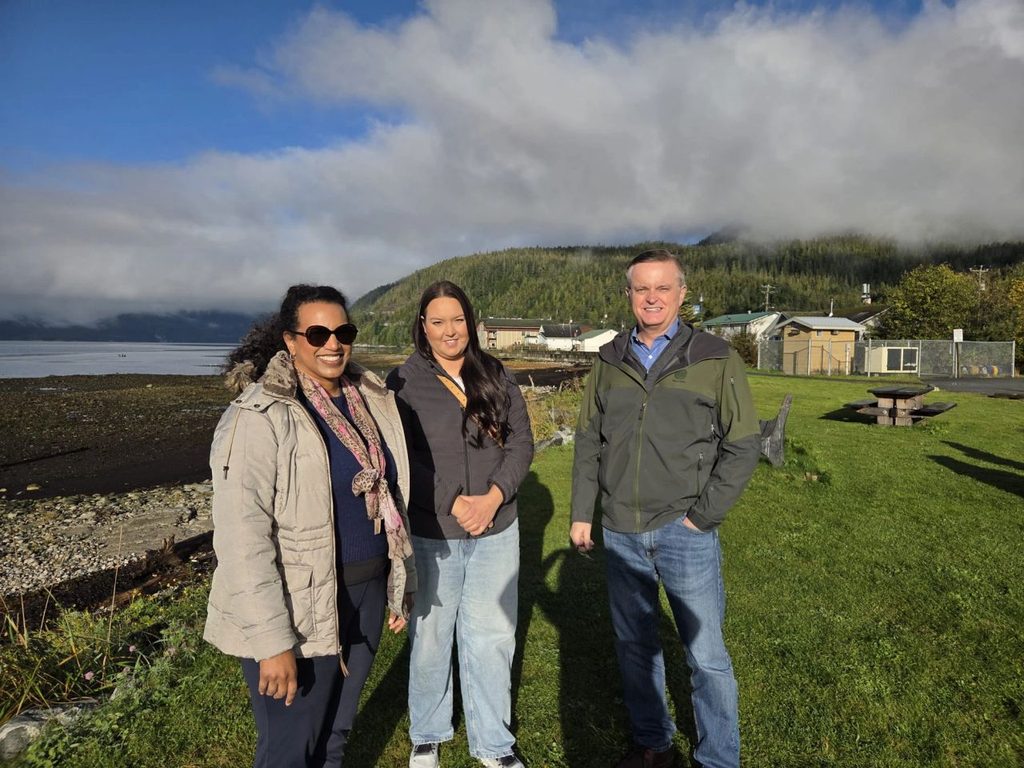
ESF Chair Shannon Joseph spoke with Starr to discuss how natural gas projects are creating opportunities for Indigenous communities. Drawing on her experience with Coastal GasLink and the Prince Rupert Gas Transmission project, Starr highlighted the importance of Indigenous Nations being involved from the outset, building strong partnerships, and creating lasting benefits for future generations. She also shared how collaboration between Indigenous Nations can help lift communities up and contribute to prosperity around the world.
Seeing Indigenous Economic Development in Action
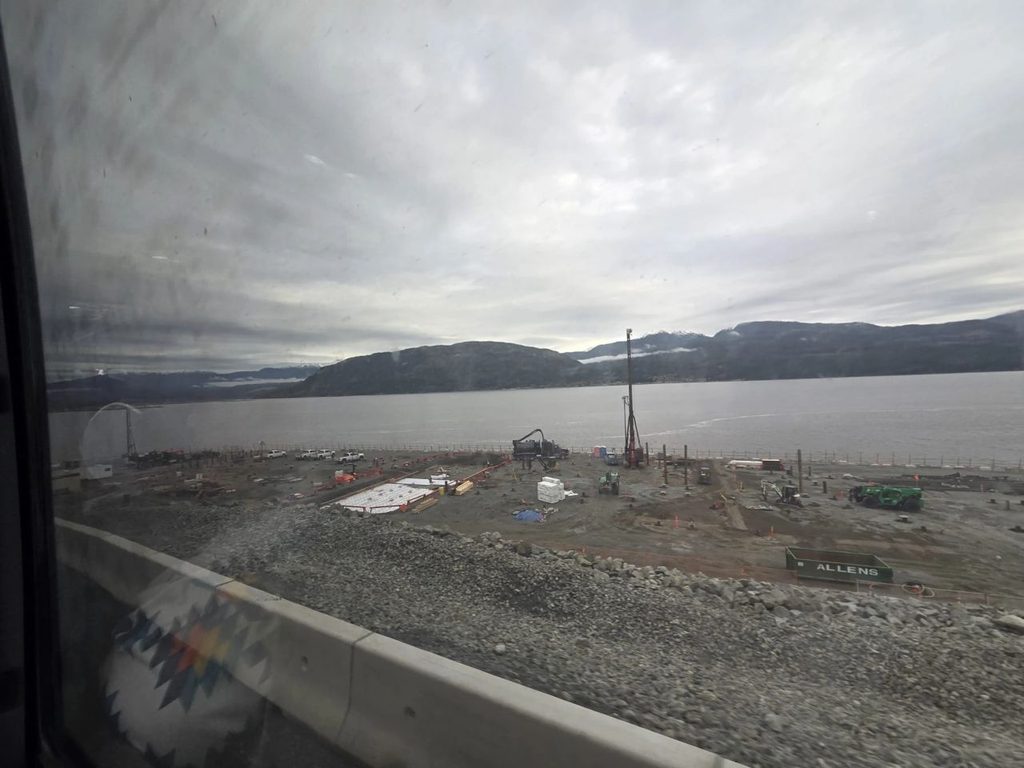
A highlight of the second day was a guided visit to Haisla Nation and Cedar LNG, where participants heard firsthand about the Nation’s work to create economic opportunities and strengthen its community through development.
The stories shared during the visit extended well beyond energy infrastructure. Language recovery, homeownership and community resilience demonstrated how economic growth can contribute to broader social and cultural priorities.

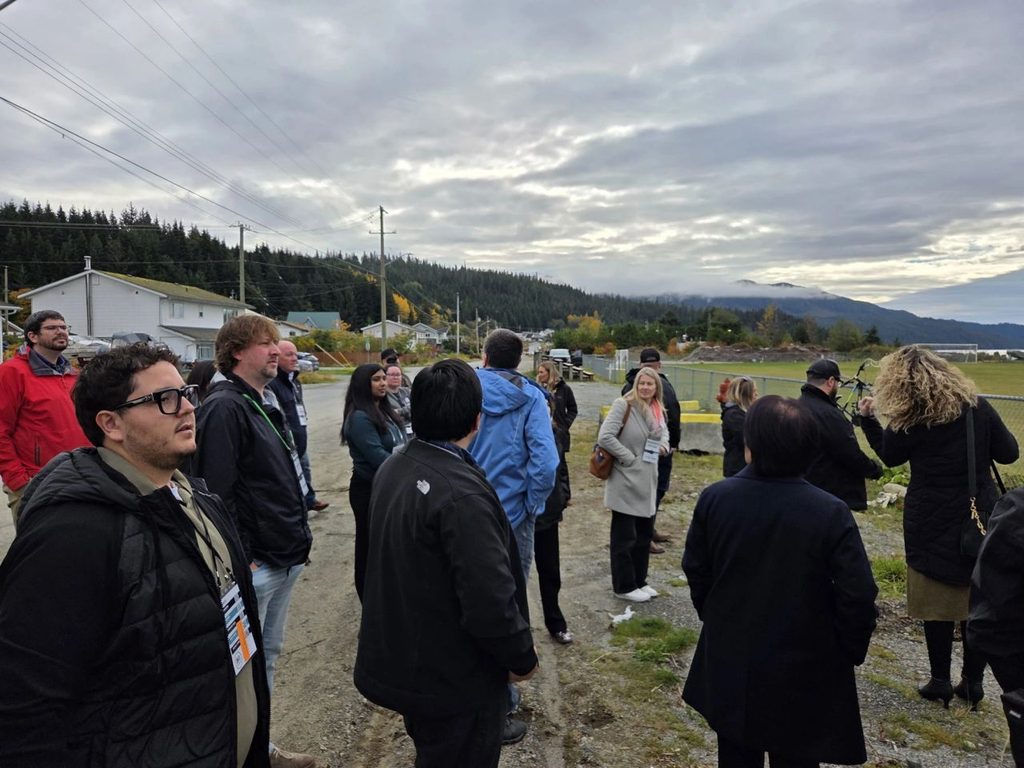
These examples offer an important perspective on the relationship between resource development and Indigenous communities. When Indigenous Nations have opportunities to participate in and benefit from economic development, the impacts can reach across generations, supporting community priorities and creating new possibilities for the future.
The visit reinforced the importance of listening to Indigenous leaders and learning from their experiences as Canada considers how to advance future natural gas projects. The lessons emerging from communities such as Haisla Nation and the Nisga’a Nation deserve greater recognition across Canada.

ESF Advisory Council member Jacob Albertson of Duz Cho Group also participated in a morning workshop, while representatives from Sumitomo Corporation visited the region to learn more about the opportunities ahead. These conversations reflected the strong interest in what northern British Columbia can achieve through continued investment and collaboration.
BC in Dialogue with the World
At this year’s forum, Energy for a Secure Future hosted “BC in Dialogue with the World,” a session focused on the international energy landscape and the role British Columbia can play in meeting the needs of global partners.
The discussion brought together perspectives from Indigenous leaders and international representatives to explore the importance of reliable energy supplies, long-term relationships and continued cooperation.

Hiroshi Hashimoto of the Institute of Energy Economics, Japan (IEEJ), travelled from Tokyo to participate in the forum and share his expertise on energy security in Japan and across Asia. His contribution underscored the importance of understanding the energy needs of Canada’s trading partners as the country works to expand its role as a reliable supplier of natural gas.
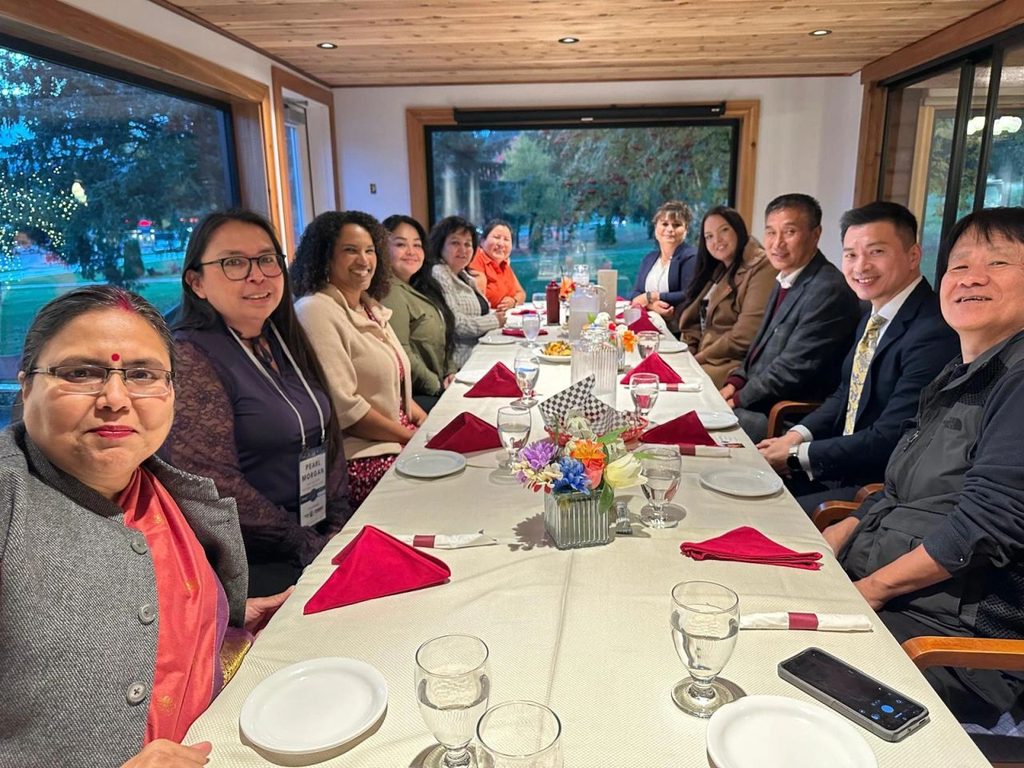
Representatives from the Consulate General of India in Vancouver also participated, sharing perspectives on India’s energy needs. The Taipei Economic and Cultural Office in Vancouver contributed a message from Director General Angel Liu, while Director Eric Liou attended in person. These conversations highlighted opportunities for Canada to strengthen energy relationships with partners across Asia, including Taiwan.
For ESF, these international connections reinforce the importance of dialogue between Canadian energy producers, Indigenous Nations and the countries looking to diversify and secure their energy supplies.
As global demand for reliable energy continues to shape international discussions, forums like Nation2Nation help connect the communities and projects that can contribute to meeting those needs with the international partners looking for dependable suppliers.
Indigenous Leadership and the Importance of Partnership
A key theme throughout Nation2Nation was the importance of building strong, lasting partnerships with Indigenous Nations as natural gas projects move forward.
Karen Ogen’s presentation and panel discussion highlighted important lessons on how to advance natural gas development through stronger partnerships. These conversations emphasized the value of listening to Indigenous perspectives, learning from experience and working collaboratively to create opportunities for communities.
The forum also featured inspiring contributions from leaders across the region, including Ellis Ross, former Chief Councillor of Haisla Nation. His remarks highlighted the positive social changes that economic development and renewed optimism can bring to a community.
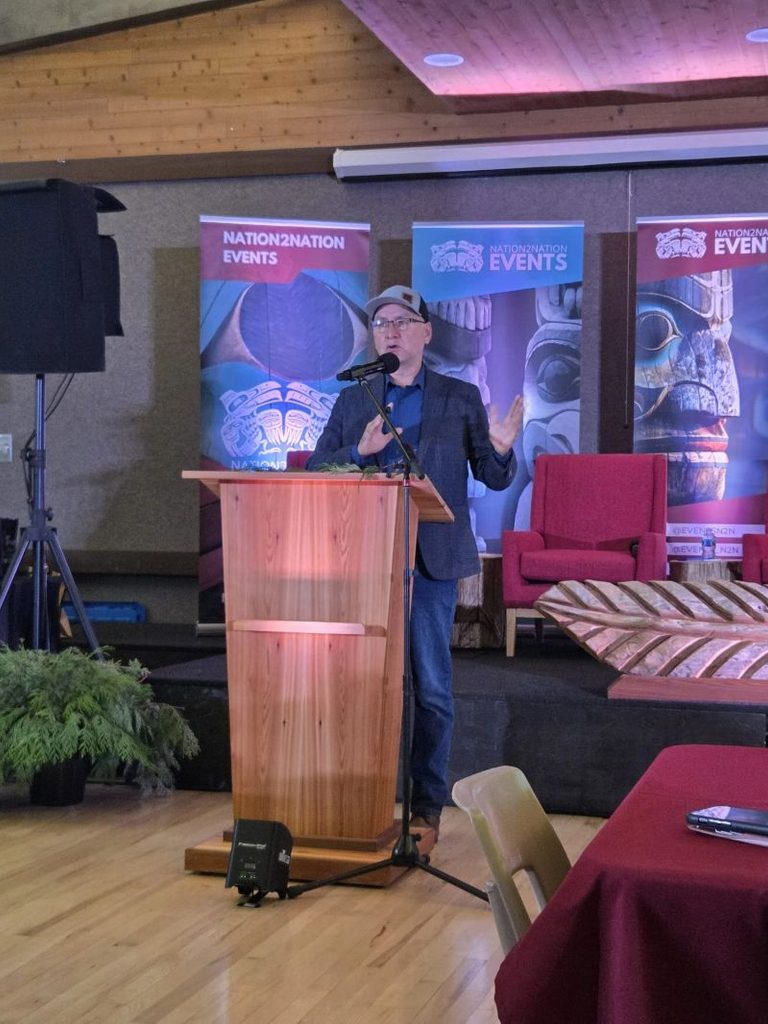
These perspectives are an important reminder that the benefits of energy development extend beyond infrastructure and exports. When projects create meaningful economic opportunities, they can also help strengthen communities and support a more optimistic outlook for the future.
The experiences shared throughout the forum reinforced a central lesson: successful energy development depends on partnerships built on trust, shared opportunity and a commitment to working together.
Looking Ahead At More Partnerships and More Opportunity
As Canada looks to expand its LNG export capacity and strengthen relationships with international markets, forums like Nation2Nation provide an important space to exchange ideas, build trust and explore opportunities for collaboration.
The discussions in Kitimat and the visits to the Nass Valley and Haisla Nation offered a valuable reminder of what is possible when Indigenous leadership, economic development and international cooperation come together.
Canada’s energy future depends on strong partnerships at home and reliable relationships abroad. By working together, Indigenous Nations, industry, governments and international partners can help position Canada as a trusted energy supplier while creating lasting economic opportunities for communities.
The conversations at Nation2Nation point toward a future built on collaboration, investment and shared opportunity.


